Choosing the Right Lawn Tractor Sprayer: Size and Nozzle Considerations
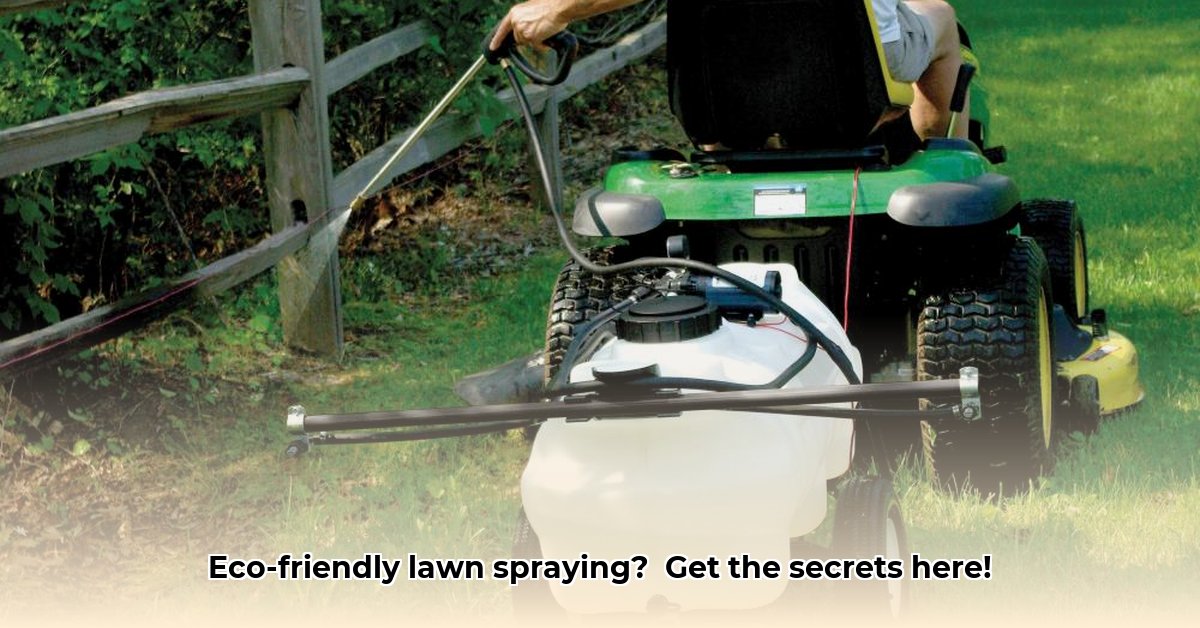
Selecting the appropriate sprayer is paramount for efficient and environmentally conscious lawn care. The tank size should align with your lawn's dimensions; a 5-10 gallon tank suffices for smaller lawns, whereas larger properties may necessitate a 15-20 gallon capacity. Oversizing your sprayer leads to chemical overuse and waste. Remember, smaller is often better for minimizing environmental impact. For more sprayer options, check out this helpful resource: tractor sprayers.
Nozzle selection is equally critical. Adjustable nozzles offer versatility, allowing you to switch between fine mists for delicate plants and broader sprays for larger areas. Experiment to determine the optimal spray pattern for your lawn and the specific application. High pressure, while tempting, increases the risk of chemical drift, wasting product and potentially harming surrounding vegetation. A moderate pressure setting generally provides the best balance of coverage and drift reduction. Finally, prioritize durability; choose a sprayer constructed to withstand repeated use.
Preparing for Spraying: Safety and Precision
Prioritize safety before commencing any spraying operation. Always wear appropriate personal protective equipment (PPE), including goggles or safety glasses, gloves, and long sleeves and pants to protect your skin and eyes from chemical exposure. This isn't merely a suggestion; it's a necessity. Failure to do so could result in serious health consequences.
Precise chemical mixing is crucial. Meticulously follow the instructions on the product label, using the recommended measuring tools. Incorrect proportions can damage your lawn or pose health risks. Calibrating your sprayer ensures even application, preventing wasted product and potential harm to your lawn. If your sprayer lacks calibration markings, use a measuring cup and a stopwatch to determine the liquid output per minute. This simple step has a significant impact on efficiency and reduces chemical waste.
Before spraying your entire lawn, conduct a test run on a small, inconspicuous area. This allows you to fine-tune your settings and identify potential issues before applying chemicals to the entire lawn.
Mastering Spraying Techniques: Optimization for Efficiency
Even application is essential to maximize effectiveness and minimize waste. Slightly overlap each pass to ensure complete coverage and avoid missed spots. Avoid spraying on windy days; chemical drift can significantly reduce efficiency and potentially harm other plants or animals. Optimal spraying times often coincide with early morning or late evening, when lower temperatures and reduced winds minimize drift and evaporation. Wet leaves generally absorb chemicals more effectively than dry leaves.
Post-Spraying Procedures: Cleanup and Disposal
Cleaning your sprayer immediately after use is essential and critical for maintaining sprayer integrity and preventing chemical build-up. Thoroughly rinse the tank and nozzles to remove residual chemicals which can not only ruin the equipment but also contaminate subsequent applications! Improper cleaning directly relates to shorter equipment life and diminished effectiveness; thus, diligent cleaning is a matter of practicality and efficiency.
Responsible disposal of leftover chemicals is mandatory. Never pour unused chemicals down the drain or into the ground. Always adhere to local regulations for proper disposal, utilizing designated hazardous waste collection centers.
Maintaining Your Sprayer: Ensuring Longevity and Performance
Regular maintenance significantly extends your sprayer's lifespan and ensures optimal performance. Regularly check for leaks, inspect hoses for wear and tear, and lubricate moving parts as needed. Store your sprayer in a cool, dry location when not in use. These simple maintenance tasks will safeguard your investment and prevent costly repairs or premature equipment failure.
Beyond the Sprayer: Integrating Sustainable Lawn Care Practices
While a tow-behind sprayer enhances efficiency, integrating sustainable lawn care practices elevates your approach. Integrated Pest Management (IPM) minimizes chemical reliance by focusing on preventative measures like soil health, proper fertilization, weed control, and choosing pest-resistant grass varieties. Exploring organic alternatives to chemical pesticides and fertilizers further reduces environmental impact; embracing both chemical and biological methods effectively delivers sustainable results.
Key Takeaways: Maximizing Efficiency and Sustainability
- Precise application: Proper sprayer calibration and techniques minimize chemical waste and ensure even distribution.
- Safety first: Always wear appropriate PPE when handling chemicals.
- Sustainable integration: Combining chemical applications with IPM and organic practices for a comprehensive approach.
By following these steps, you can efficiently and responsibly maintain a healthy, vibrant lawn while minimizing your environmental footprint. Remember, responsible lawn care is a holistic endeavor, extending beyond the sprayer itself.